For-sale housing
Neighborhood-scale residential development and rehabilitation.
Ferry Park Row Development focuses on neighborhood development through housing investment and business corridor activation.
Led by Brinda Devine, Ferry Park Row Development builds on her real estate experience and personal investment in Northwest Goldberg.
Her work through P8 Real Estate Solutions provides a foundation for continued investment in the neighborhood.
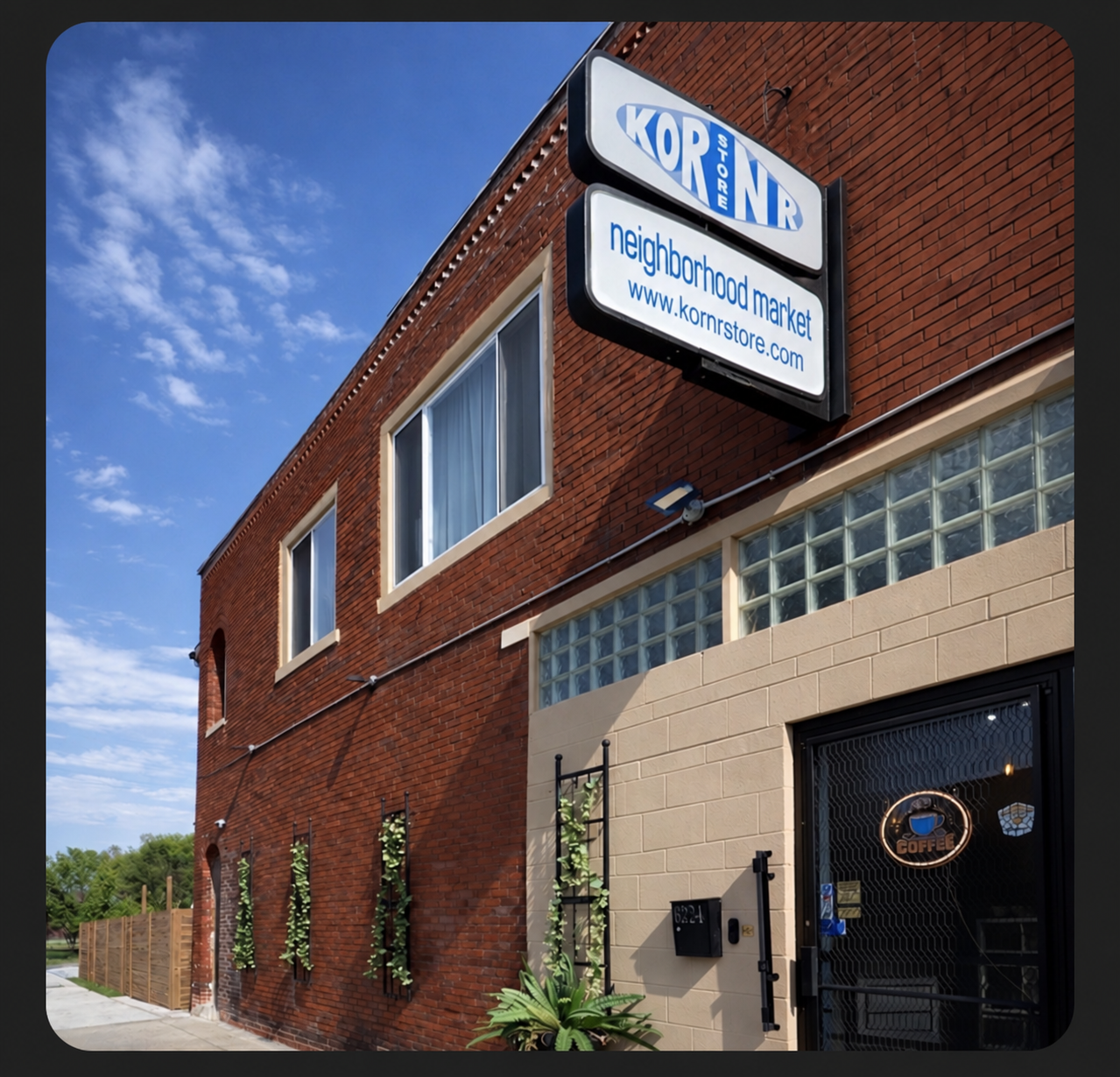
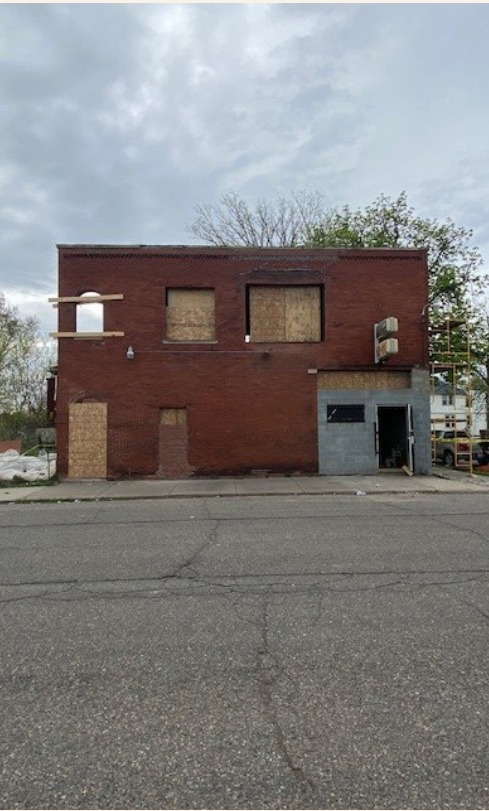
Kornr Store · Developed and Opened 20246224 16th Street · Detroit, MI 48208
Neighborhood market + café
Residential space above
Northwest Goldberg, Detroit
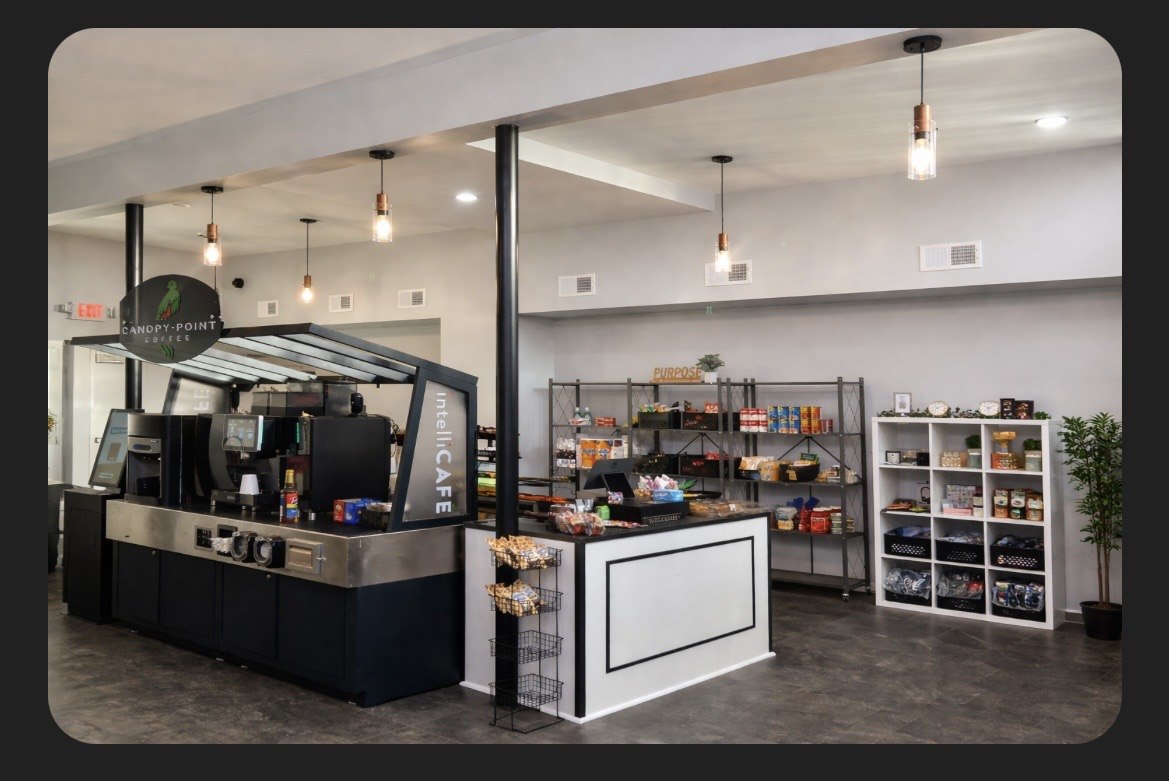
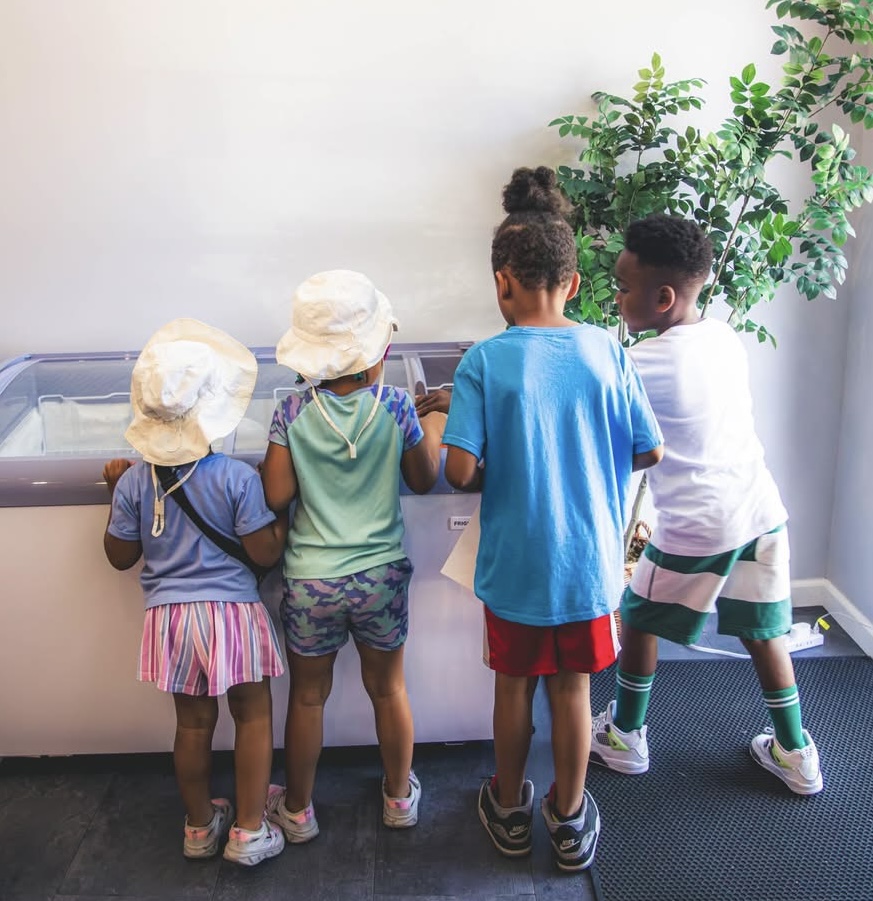
Kornr Store is a mixed-use project developed through P8 Real Estate Solutions, with Brinda Devine as owner and developer. It combines a neighborhood market and café with an upstairs apartment.
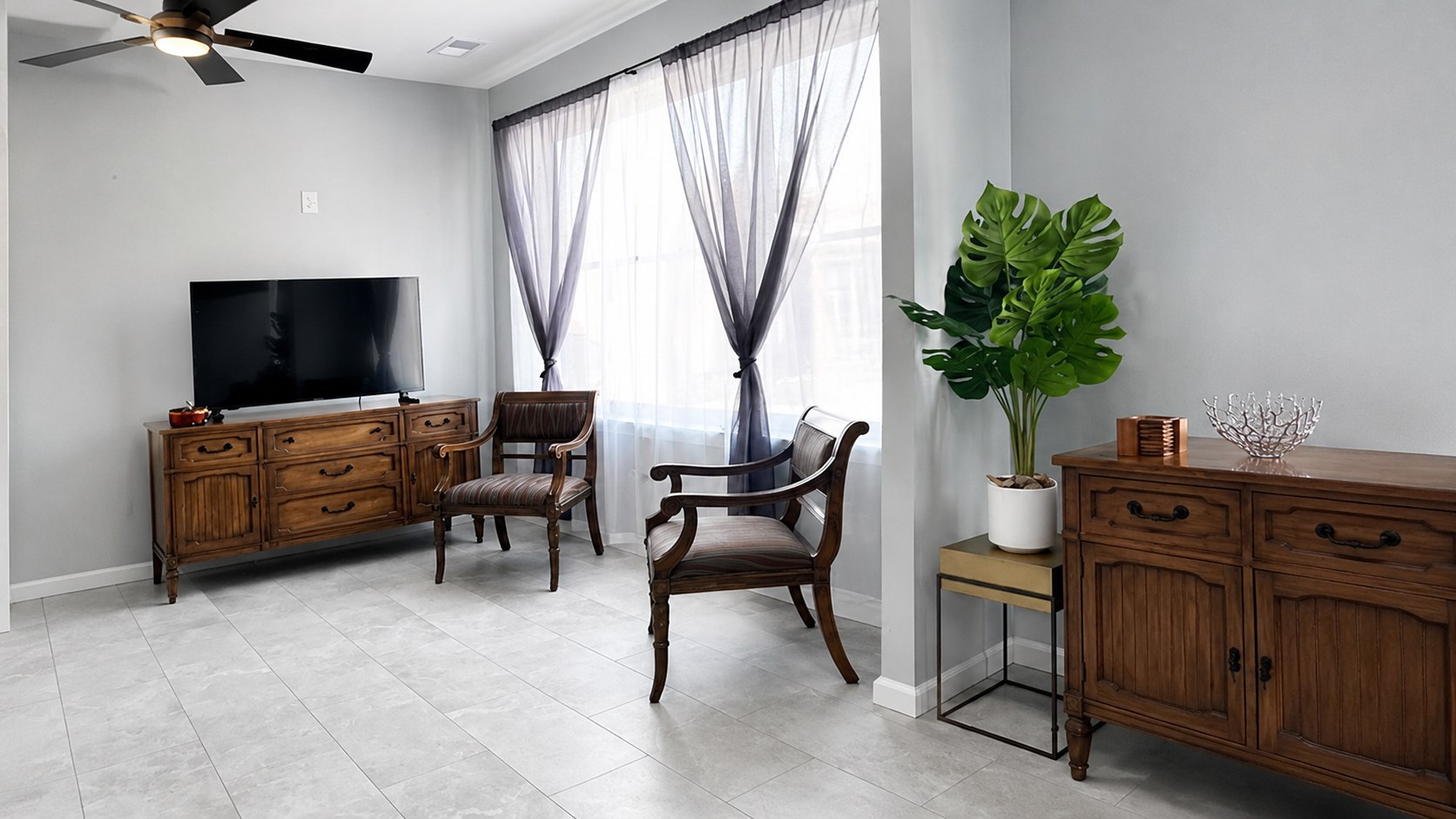
Capabilities include evaluating property feasibility, structuring development partnerships, securing project financing, overseeing rehabilitation, and creating retail and commercial spaces suited to neighborhood needs. Commercial brokerage and lease transaction experience support the connection between a property’s development and its use by businesses.
Neighborhood-scale residential development and rehabilitation.
Neighborhood-serving commercial spaces and reinvestment in existing properties.
Spaces for businesses and economic activity, including properties that combine commercial uses with housing.
Ferry Park Row Development connects housing investment with the activation of neighborhood business corridors. The goal is to bring underused properties into use, create space for businesses and strengthen the relationship between residential streets and commercial activity.
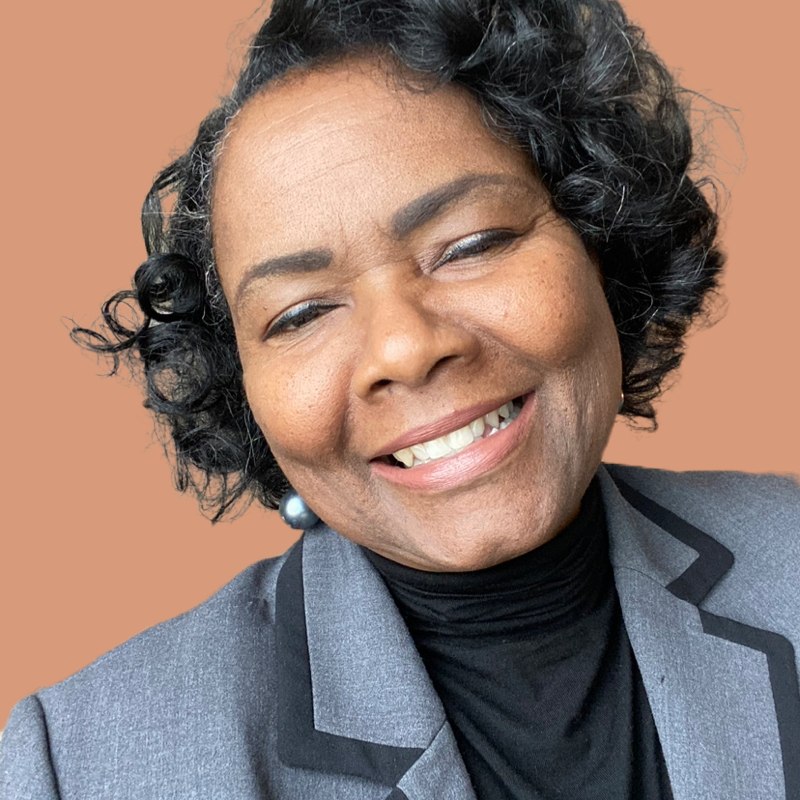
Real estate developer · Licensed commercial real estate broker
Brinda Devine brings more than 30 years of commercial real estate experience to neighborhood development, including 17 years as Director of Real Estate and Asset Management at Wayne State University and approximately 12 years with Acquest Realty Advisors.
Her experience spans commercial real estate development, development partnerships, acquisitions and dispositions, financial feasibility, brokerage, asset management, and complex commercial real estate and lease transactions.
At Wayne State University, her real estate work involved development partnerships and creating and managing spaces for businesses and economic activity. That experience informs her approach to structuring transactions, working with development partners, and connecting real estate investment with productive uses.
Brinda holds a Master of Business Administration (MBA) in Entrepreneurship and Innovation and a Bachelor of Science in Finance from Wayne State University.
Licensed State of Michigan Broker
Neighborhood development begins with understanding how people live, shop and work. Ferry Park Row Development evaluates properties in the context of nearby homes, local businesses, everyday services and the character of the neighborhood.
Our work is rooted in Northwest Goldberg, with an approach that connects individual property investment to the strength of the surrounding neighborhood.
View existing property on map ↗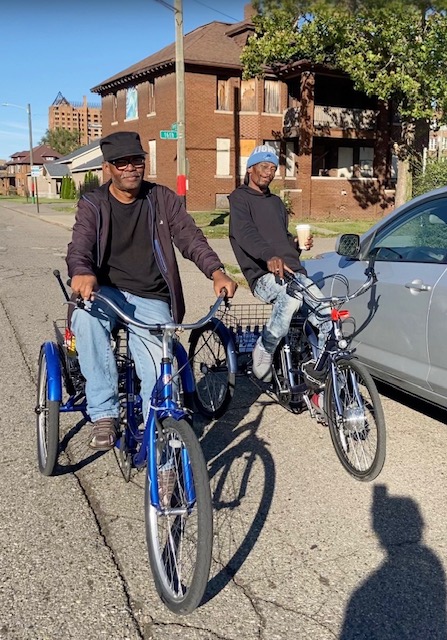
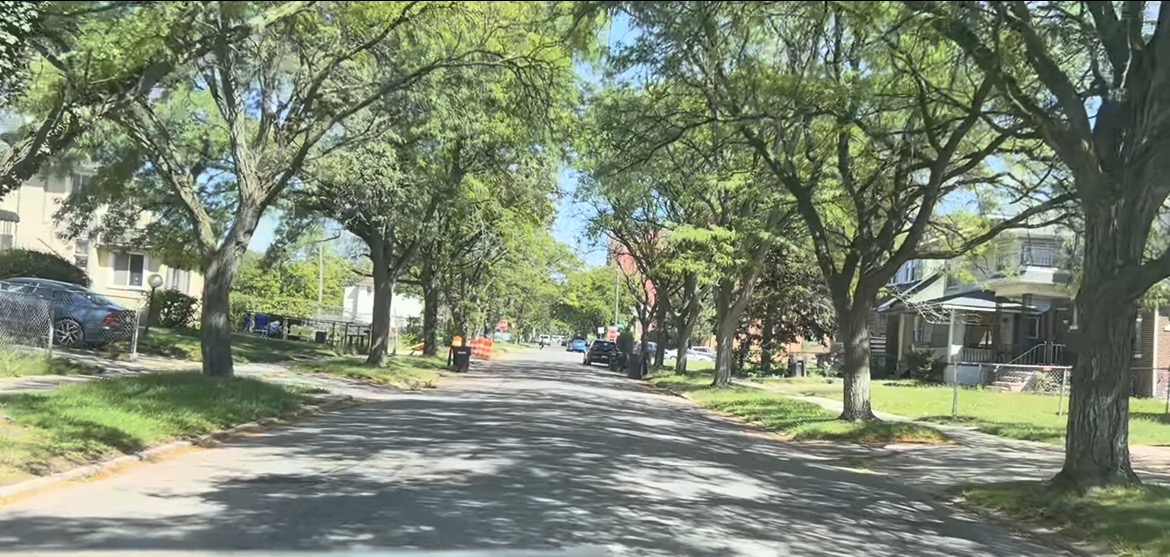
Northwest Goldberg’s name comes from Northwestern High School and the former Goldberg Elementary School, named for Detroit education leader Louis Goldberg. Also known by some residents as Northwestern Goldberg or Zone 8, the neighborhood’s history is reflected in its brick homes, schools, neighborhood businesses and institutions.
West Grand Boulevard became part of music history in 1959 when Berry Gordy purchased the two-family flat that became Motown’s Hitsville U.S.A. Today, the neighborhood’s residential streets and commercial corridors connect that history with opportunities for housing and business investment.
Sources: Michigan State University’s neighborhood history · Motown Museum
Lee Plaza’s restoration at 2240 West Grand Boulevard, approximately 0.30 miles from 6224 16th Street in a straight line, is bringing a long-vacant landmark back into use. The first phase includes 117 affordable apartments for seniors. This nearby housing investment makes the connection between residents and neighborhood businesses especially relevant to the activation of local commercial corridors.
Project source: City of Detroit: Lee Plaza restoration. Project context reviewed October 2026.
Housing investment needs places where residents can spend, work and obtain everyday services. Activating a neighborhood business corridor means turning vacant or underused storefronts into spaces that businesses can occupy and sustain—supported by realistic rents, suitable buildings and demand from nearby residents. Ferry Park Row Development connects those property decisions with the neighborhood’s housing and business needs.
Nearby shops and services can make daily needs easier to reach. Occupied, maintained buildings and regular business activity can improve the experience of living in and moving through the neighborhood.
Useful commercial spaces can create leasing opportunities, attract customers and give owners a reason to reinvest in existing buildings. A stronger mix of housing and businesses can support property demand over time.
Productive properties and businesses can support jobs, local spending and the city’s tax base. Rehabilitation also puts existing buildings and public infrastructure to work, connecting neighborhood investment with economic activity.
Ferry Park Row Development considers what existing residents need and what local businesses can sustain. The goal is useful, lasting investment that benefits the people already here.
These are potential benefits, rather than guaranteed property appreciation or business returns. The City’s Livernois–McNichols corridor framework connects neighborhood stabilization, housing, small business development and walkability.